
Heads up: This post contains affiliate links. As an Amazon Associate I earn from qualifying purchases, at no extra cost to you. Learn more
Specs are compiled from manufacturer listings and verified buyer reviews and can change over time — please confirm the key details on the product page before buying.
You step outside into real winter and instantly feel the cold bite through the sole of your everyday boot. The short answer: the Dryshod Arctic Storm Hi, a knee-high snow boot rated -50° to 65° F with seven insulation layers — the pick most buyers should start with. Below you get nine insulated women’s snow boots, sorted by what each one actually solves: knee-deep snow, icy sidewalks, all-day warmth, or a winter boot you can still wear to work.
This guide is built by comparing the manufacturers’ published specifications and the patterns across verified customer reviews, so you get each pick’s real strengths and trade-offs instead of marketing spin.
Arctic boots live or die on three things: the temperature rating, the number of insulation layers, and whether the fit is accurate. women’s arctic boots are a fit-first purchase, so check that sizing note on every pick below before you commit.
Top Picks


How To Choose The Best Women’s Arctic Boots
An arctic boot is a winter boot built to hold heat at genuinely cold temperatures, not just look seasonal. The trick is separating the numbers that matter from the marketing words. Three specs decide almost everything: the stated comfort range, the insulation stack, and the waterproof build. A fourth — fit — decides whether your toes stay warm at all.
Read the temperature rating literally
A comfort range is the temperature window a maker says the boot performs in. The Dryshod lists -50° to 65° F, the Kamik Greenbay4 lists -40° F, and the UGG Adirondack XXV cites warmth down to -32ºC. Write those numbers on a sticky note and compare them honestly against the coldest morning you actually expect. Treat a rating as a starting filter, not a guarantee.
Count the insulation layers
More layers between your foot and the ground means more trapped air, and trapped air is what warmth actually is. The Dryshod spells out a 5.5 mm bootie, a 2.5 mm DENSOPRENE XD foam, a 2 mm airmesh, and a 2 mm warm fleece lining, plus an EVA cold-blocking midsole for seven layers total. The Kamik uses a removable Thinsulate foam liner, and the Muck runs an 8mm neoprene bootie with a removable-insulation style underfoot bed. A removable liner also dries faster overnight, which matters if you wear the boot daily.
Waterproof means nothing if it only covers half the boot
Snow soaks through fabric and then freezes inside it, so look for a boot that states it’s waterproof top to bottom. The Dryshod claims a full-waterproof build with a water-repellent nylon outer that sheds water instead of soaking it. The Kamik calls out a waterproof nylon shell with a mid-foot Velcro strap and a lace-lock snow collar. A collar that tightens at the calf keeps powder from dropping straight down your sock.
Expect to size up, and confirm the shaft
Nearly every boot in this group has mixed fit and size feedback — that’s normal for insulated footwear because a thick liner eats interior room. The Kamik’s size commentary leans firmly toward running small, and the The North Face Chilkat 400 has tight-at-your-normal-size notes too. Ordering a half size up when a boot has a thick liner is the practical move. Also check shaft height: the Dryshod is knee high and the Muck is listed at 17 inches, which affects both deep-snow coverage and how easy the boot is to pull on.
Side-by-Side Comparison
| Model | Best For | Stated Warmth | Shaft Height | Liner / Insulation | Amazon |
|---|---|---|---|---|---|
| Dryshod Arctic Storm Hi★ Best Overall | Deepest cold and knee-deep snow | -50° to 65° F | Knee high | 7-layer stack, 5.5 mm bootie | Amazon |
| Kamik Greenbay4Budget Champion | Budget cold-weather walking | -40° F | — | Removable Thinsulate foam liner | Amazon |
| Columbia Red Hills Omni-HeatMost Versatile | City sidewalks to short trails | — | — | Thermal-reflective lining | Amazon |
| Columbia Minx IV | All-day walking in slush | — | — | — | Amazon |
| Muck Arctic Ice Tall + Vibram Arctic Grip A.T. | Icy parking lots and wet snow | — | 17 inches | 8mm neoprene bootie | Amazon |
| SOREL Tivoli V Tall | Style plus deep-snow coverage | — | Tall | — | Amazon |
| The North Face Chilkat 400 | Snowmobiling and mountain snow | — | — | High-loft insulation | Amazon |
| Baffin Impact | Snowshoe and snow-covered terrain | Arctic rated (model spec) | Calf height | Removable | Amazon |
| UGG Adirondack Boot XXV | Winter warmth with style | -32ºC | — | Xerogel insulation | Amazon |
Detailed Reviews
1. Arctic Storm Hi Extreme Cold Conditions Women’s Winter Boot
Our pick — 4.5+★ from 450+ verified ratings; the strongest balance of quality and price.
The knee-high cold blocker that stacks seven layers against a -50° F morning.
Dryshod builds this one like a winter jacket for your entire lower leg. The layers run a 5.5 mm bootie, a 2.5 mm DENSOPRENE XD foam, a 2 mm airmesh, and a 2 mm warm fleece lining, plus an EVA cold-blocking midsole on the bottom. That’s seven layers between your toes and the frozen ground, and the stated comfort range reaches from -50° all the way to 65° F.
The wet-weather side is handled too. Dryshod calls the boot 100% waterproof top to bottom, and the nylon outer is treated with HYDROKOTE so water rolls off and dries in seconds instead of icing over. The DS1 two-piece sole pairs a natural rubber outsole — hand-laid, no PVC, PU, or TPR — with that EVA midsole, and the lug pattern is shaped to shed mud and debris. Pulling them on takes no fight either: a 4-way stretch airmesh lining, a generous heel kick, sturdy pull tabs, and a roll-down calf pipe that lets you dial in the fit around your leg.
What wins people over is how the boot looks and how warm it stays — those two traits dominate the owner feedback, with snow-and-mud protection and grip close behind. The honest catch is fit. Feedback runs mixed there, with some buyers finding the boot narrow, so order the size that matches your thickest winter sock. It also weighs 16 ounces per boot, so it’s a substantial walk, not a featherweight.
Where it dominates
- -50° to 65° F stated comfort range covers the coldest real winters.
- Seven-layer insulation stack with an EVA cold-blocking midsole.
- Knee-high shaft keeps deep snow off your socks.
- Full waterproof build with a water-repellent outer that dries fast.
Where to go in eyes-open
- Fit feedback is mixed — some find it narrow, so size for a thick sock.
- 16 ounces per boot makes it a heavier walk than a compact city boot.
Made for: anyone facing genuine sub-zero mornings, deep drifts, or a long cold commute on foot.
Look at a shorter boot: if you mostly walk cleared sidewalks and want something light to slip on for errands.
2. Kamik Women’s Greenbay4 Winter Boots, Waterproof Snow Boots
Snowblowing, sledding, and shoveling duty for under a hundred — at 1.44 pounds a boot.
The Greenbay4’s headline number is its cold rating: comfort rated at -40° F, with a removable Thinsulate foam liner doing the insulating. That liner pulls out, which means you can dry it overnight instead of leaving a damp boot by the radiator. The shell is a lightweight waterproof nylon, and at 1.44 pounds per boot it is the lightest option here — compare that to the Muck Arctic Ice Tall at 2.8 pounds and you’re carrying a lot less bulk on the same walk.
Feet stay dry and warm through a full day outside, and slipping them on and off takes seconds. The construction reads as neatly made, with a mid-foot Velcro strap to hold the foot snug and a lace-lock snow collar to keep powder from dropping down your sock. Traction comes from a thick treaded rubber outsole aimed at slippery, icy ground. Warmth is the trait owners talk about most by a wide margin, with comfort next.
The one thing to plan around is sizing. Size feedback is the heaviest topic of all and it leans hard toward running small, with the footbed and toe area described as narrow — the recurring advice is to go up a size or two. Thick-liner boots often feel snug on the first wear anyway, so account for that before you order rather than after.
What earns the low price
- -40° F comfort rating for a genuinely budget-friendly boot.
- Removable Thinsulate liner dries fast between wears.
- 1.44 pounds per boot — the lightest here.
- Lace-lock snow collar and Velcro strap hold the foot snug.
The sizing conversation
- Size feedback runs small — plan to go up a size or two.
- Toe area is described as narrow for wide feet.
Reach for this if: you want a light, properly cold-rated boot for clearing the driveway and playing in the snow without spending much.
Think twice if: you have wide feet and want to order your normal size right out of the gate.
3. Columbia Women’s Red Hills Omni-Heat Snow Boots
The boot that walks from the sidewalk to the trail without complaining.
Columbia aims this one at the woman who leaves the house on foot and doesn’t want to change footwear twice. The build pairs a thermal-reflective lining — a layer that bounces your own body heat back at your foot — with insulation and a plush collar around the ankle. It’s waterproof and grippy, and Columbia offers it in multiple colors and sizes.
Comfort is where it shines: this is a boot owners describe as wearable for hours of walking, not something you kick off the moment you get indoors. Quality feedback is thoroughly positive, and warmth, appearance, waterproofing, and traction all land on the right side of the ledger. The padding around the collar is the detail that keeps a long walk pleasant rather than rubbing.
Fit is the honest wrinkle. Some owners call it true to size; others say it runs small and tight and needed a full size up. The boots also draw plenty of compliments on looks, so this doubles as a boot you won’t mind wearing into town. If your feet sit between sizes, treat the larger one as the safer bet.
Why it earns its spot: reflective lining plus insulation plus waterproofing in one boot that handles a snowy sidewalk and a short trail the same way.
Order-ahead note: sizing is split between true-to-size and runs-small, so the larger size is the safer of the two.
Best fit for: the everyday walker who wants one pair for errands, the commute, and a weekend trail.
Wrong pick for: anyone who needs a knee-high shaft for deep drifts.
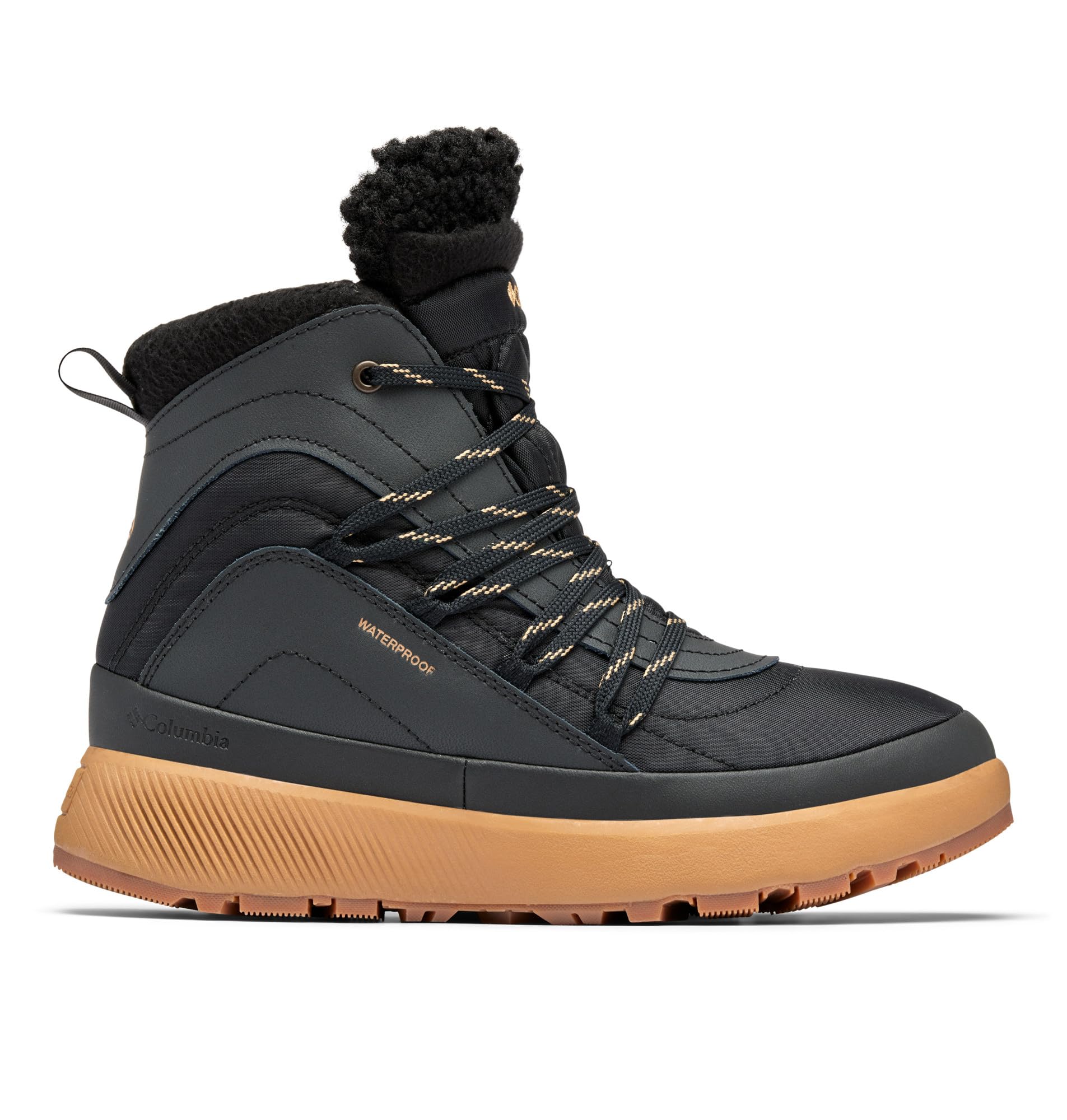
4. Columbia Women’s Minx IV
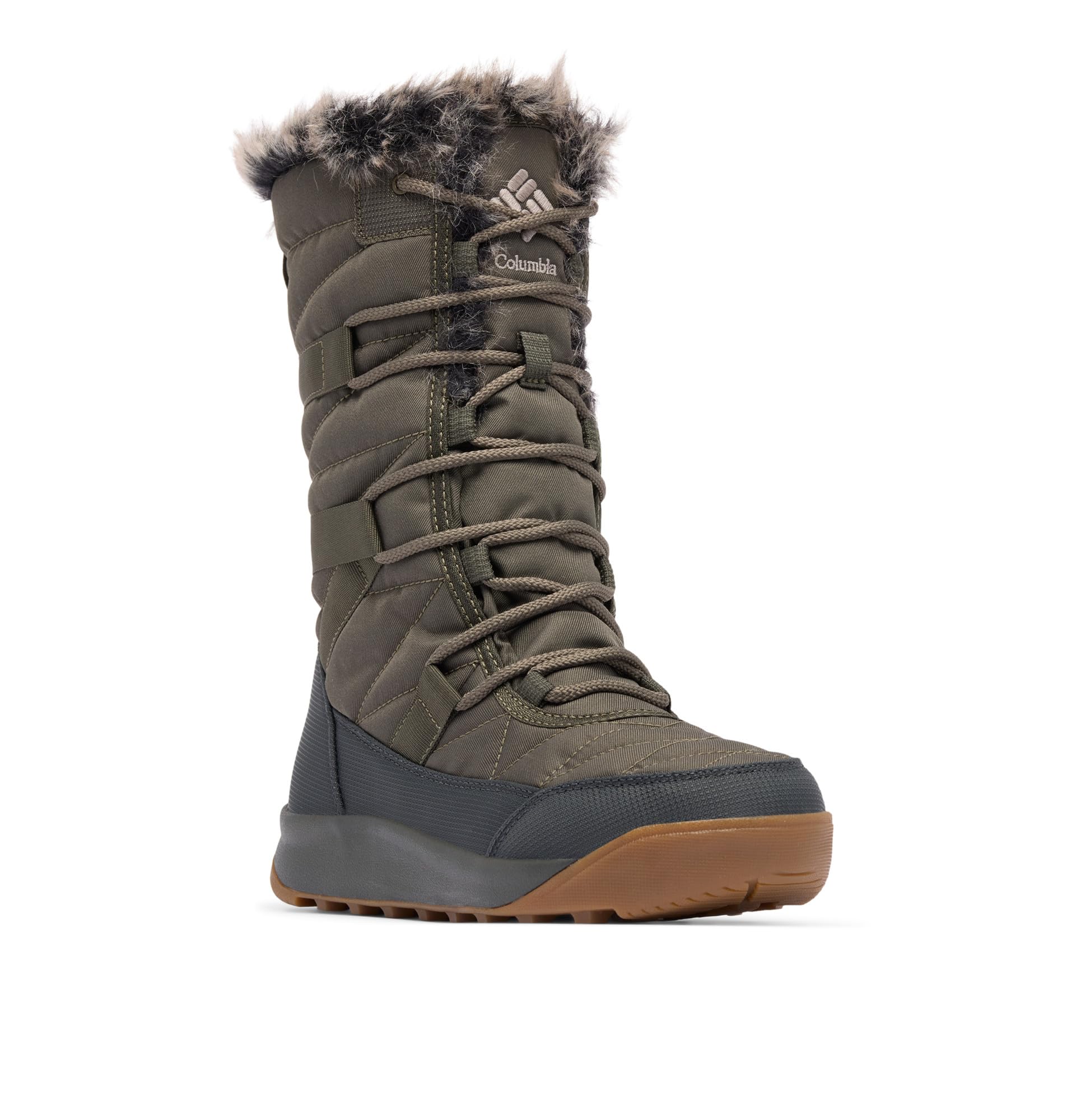
A winter boot that owners say feels more like a sneaker than a snow boot.
Here’s the pitch in one line: the Minx IV is for the woman who wants warmth and waterproofing without the clomp of a heavy snow boot. The build leans on soft, lightweight materials, and owners describe the interior as soft and sneaker-like rather than stiff. That light ride is what separates it from the heavier knee-high boots in this group.
Feet stay dry and toasty in the snow, and the boot is praised for being lightweight and not bulky — a real advantage on a long walk to the train or around a mall parking lot. Quality is the most-discussed positive trait, with warmth right behind it, and looks get their share of praise too. Owners consider it worth the price.
Two things to know before ordering. Fit runs mixed, with some finding it ideal for wide feet and others calling it too narrow with a very narrow shaft. Getting it on divides people as well, so if you have a high instep or a wide calf, check the size chart carefully before you commit.
Why buyers keep coming back
- Lightweight and soft inside — not a clunky snow boot.
- Keeps feet dry and toasty in snow.
- Looks good enough to wear into town.
What to check on the sizing
- Narrow shaft and foot for some, though wide-foot owners love it.
- Getting it on can take effort depending on your instep.
Suits you if: you want a soft, easy-walking winter boot you can wear all day without fatigue.
Look at a taller alternative: if you need a shaft that clears knee-deep snow.
5. MUCK Women’s Arctic Ice Tall Boot + Vibram Arctic Grip A.T.
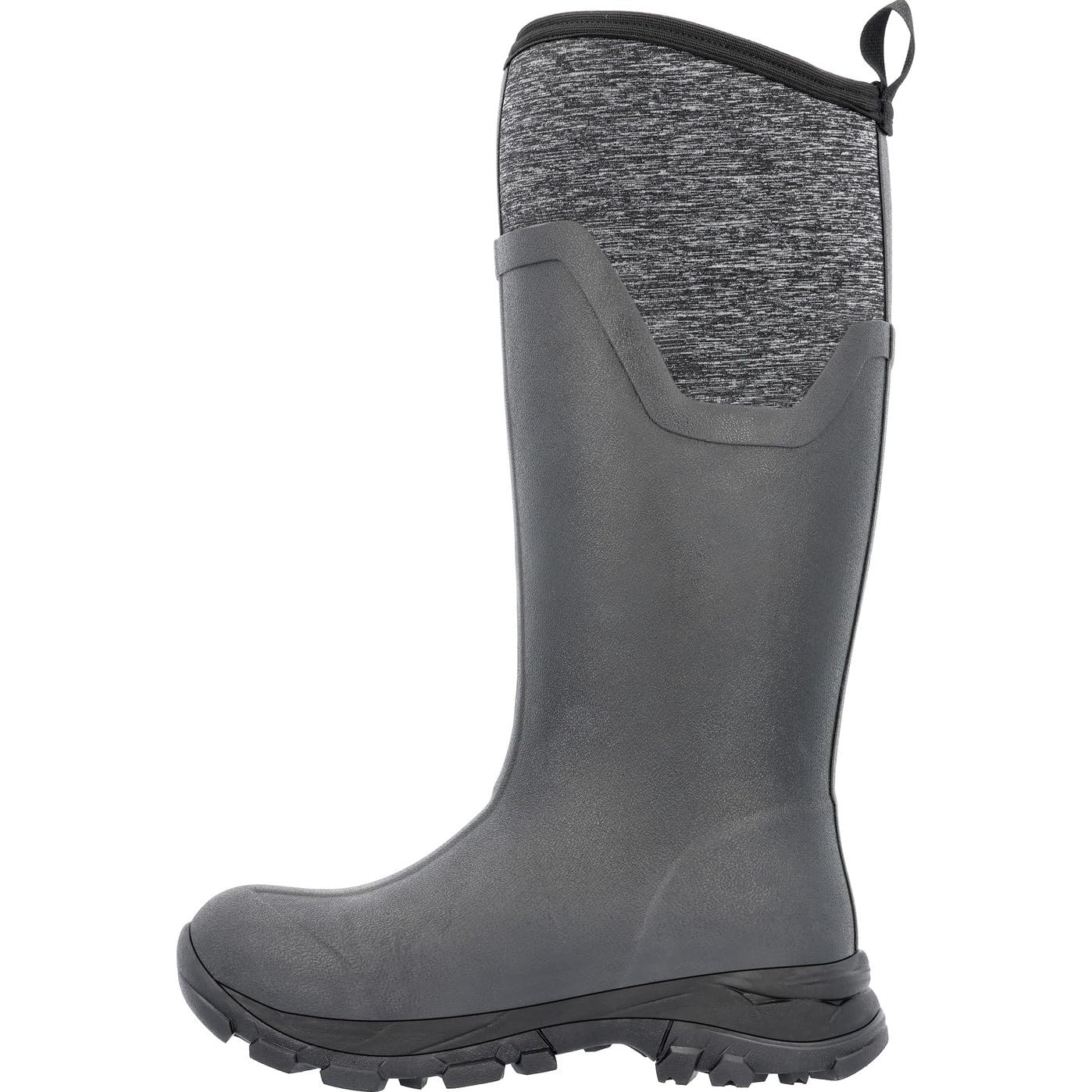
Seventeen inches of waterproof neoprene built to bite into polished ice.
The Muck Arctic Ice Tall is a rubber-and-neoprene boot, not a leather snow boot, and it’s built for the genuinely wet and genuinely icy. The 8mm neoprene bootie — a thick, stretchy foam that wraps the whole foot and lower leg — handles comfort and warmth at the same time, and the 17-inch shaft keeps deeper snow out of the front. Extended rubber coverage protects the lower boot, and the Vibram Arctic Grip A.T. outsole is the reason many buyers choose it over other boots: this is the pick for a slick driveway or an icy lot.
Inside, a bioDEWIX Dry footbed topcover with NZYM manages moisture and odor, and the lightweight midsole gives all-day support. The boot is 100% waterproof, so slush and wet snow don’t seep in. Owners most often praise how the boot fits, with warmth and comfort close behind, and its grip gets its share of the credit too. It’s a 2.8-pound boot — noticeably heavier than the 1.44-pound Kamik — so it’s built for the worst days, not every day.
The case for the grip: a Vibram Arctic Grip A.T. outsole on a fully waterproof, 17-inch neoprene boot is exactly what a snowbank-freezing driveway calls for.
The honesty check: durability sits in mixed territory here, with complaints about the rubber cracking over time, so treat it as a hard-use boot and store it clean and dry.
Pick this for: the homestead, the barn, or a nasty icy commute where grip and a 17-inch shaft matter most.
Pass if: you want a light, pretty boot for town and only brave short cold walks.
6. SOREL Women’s Tivoli V Tall Waterproof Boot
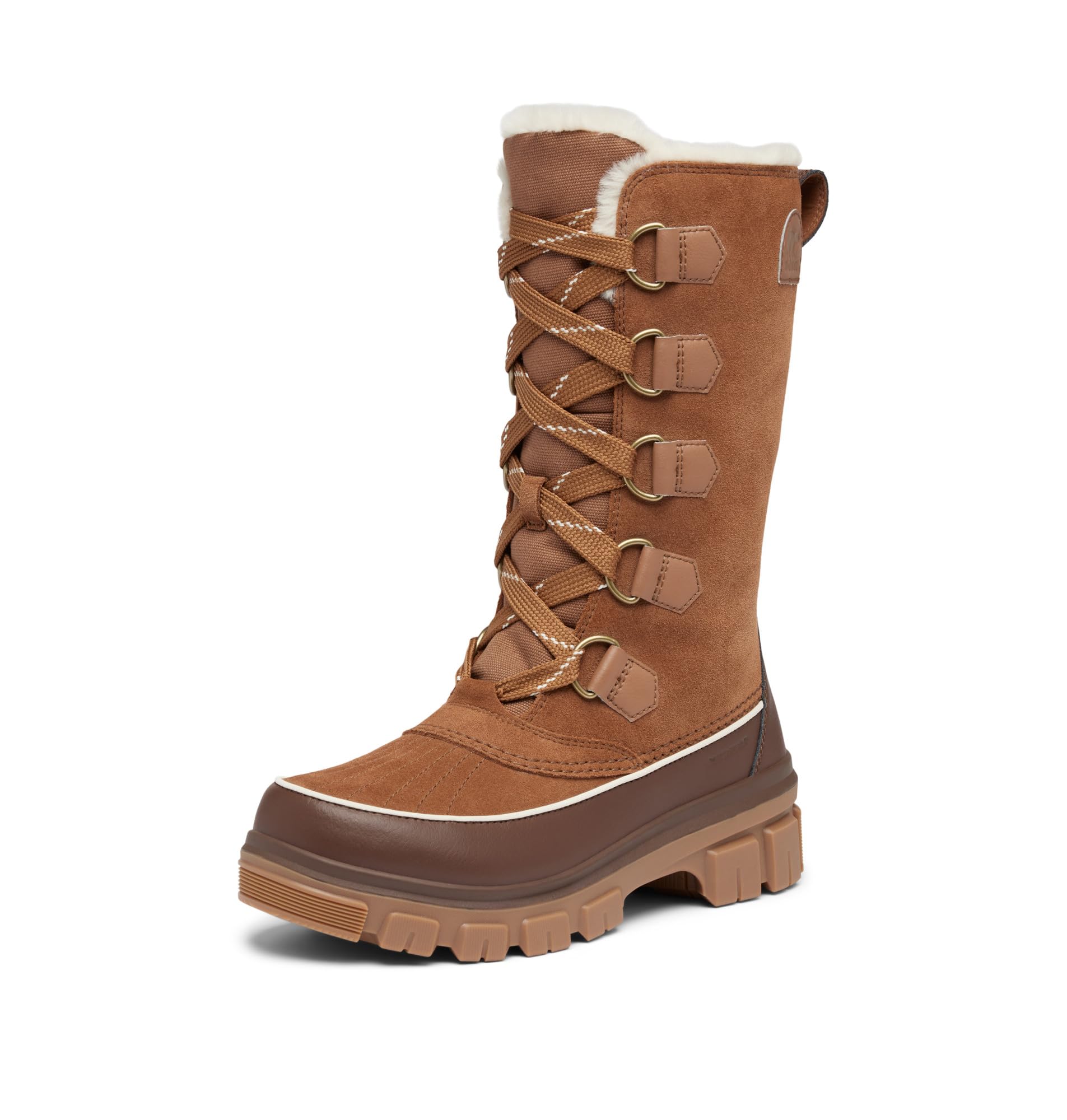
The tall, good-looking winter boot that still handles deep snow.
SOREL positions this one as technical footwear with a design edge, and owners back that up: the boot is called both a quality winter boot and a good-looking one. It keeps feet dry and toasty, and the deep-snow feedback is unusually strong for a boot this polished. The tall shaft covers more of the leg than the shorter Columbia boots and does it without looking like a utilitarian shell.
Warmth ties to a soft interior, and comfort and appearance carry the same weight in owner feedback as quality and warmth. It holds up well in deep snow and ice, and buyers consider it worth the price. The design detail around the ankle and shaft is what makes it a piece people actually wear out, not just to shovel.
The one honest caveat is fit. Some owners find it true to size and roomy with a thick sock; others report it runs small and narrow. That’s the common story with insulated boots, and it means a half-size bump is worth considering if you plan to wear thick socks every day.
What makes it stand out
- Tall shaft covers deep snow while staying polished enough for the city.
- Keeps feet dry and toasty in cold and ice.
- Strong deep-snow performance feedback.
Watch the fit
- Fit feedback is split between true-to-size and runs-small.
- Narrow cut reported by some owners, especially with thick socks.
Pair it with: an everyday winter wardrobe, since it covers deep snow and still looks sharp on a downtown walk.
Look elsewhere if: you need the most room in the toe box or prefer a true-to-size order every time.
7. The North Face Chilkat 400

Built for the mountain, and the feedback says it’s happiest on a snowmobile.
The Chilkat 400 leans hard on insulation and a water-resistant, non-PFC Durable Water-Repellent treatment. The NF0A5LW1 model number and 1.63-pound weight (per the product dimensions listing) sit in the middle of the range here — heavier than a city boot, lighter than a full rubber snow boot. If you ride on snow, this is the one owners most often call their perfect mountain boot.
Warmth is its strongest card: insulated enough to keep feet super warm in cold weather, with quality feedback reinforcing that it’s a high-quality build. Durability is unanimous — no negative durability notes at all in the feedback. Owners call it comfortable on a snowmobile and good-looking enough for town.
Here’s the trade-off to take seriously. Fit and sizing have the most negative feedback in this model, and owners regularly report that their normal shoe size feels tight and narrow. The sensible plan is to size up rather than assume this boot matches your street size.
The one-line verdict: a high-loft, waterproof winter boot that earns its place on the mountain and in deep snow.
Order bigger than you think: regular-size fit is tight for most owners, so size up a half or full size.
Right for: snowmobiling, mountain trails, and anyone who wants serious insulation with a durable build.
Wrong for: the walker who wants a lightweight boot for a quick ride to the store.
8. Baffin Impact Women’s Boots, Calf Height
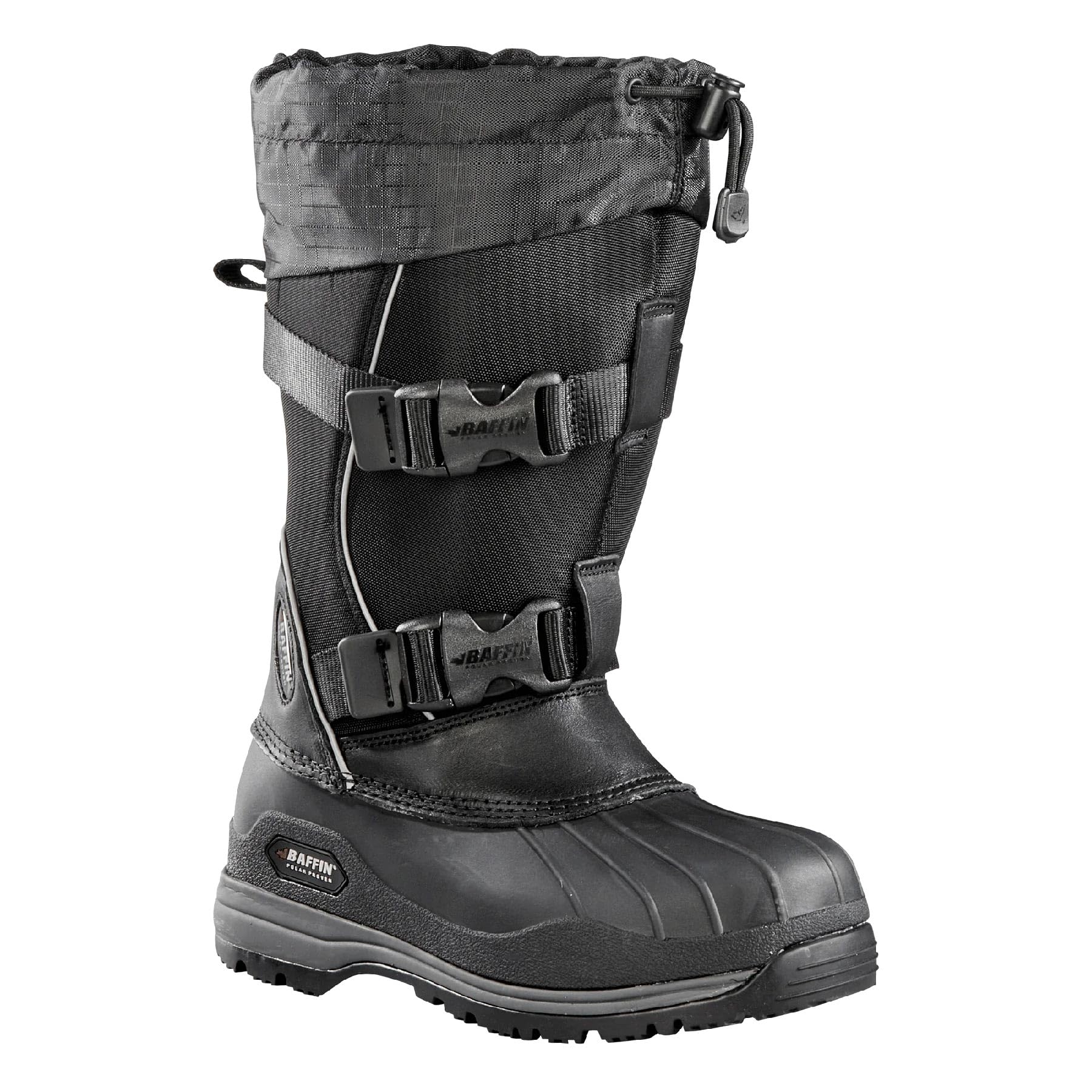
Calf-height and snowshoe-ready, built for the kind of winter you walk through.
Baffin rates this boot as its Arctic-rated tier — the manufacturer’s own scale puts it a step in from Tundra — and it’s built for snow-covered terrain. The upper is leather with a locking snow collar, the closure is a double-buckle setup, and the sole is Polar Rubber on a LiteGrip base. The lining is removable, which means it dries out between long days in the snow. At 2.06 pounds, it is lighter on the foot than a thick rubber snow boot.
Warmth and quality are the two traits owners talk about most, and the boot clearly holds up in extreme conditions. Owners call it light for its size and worth the price.
The toe box is where you’ll want to be careful. Fit feedback is split, and sizing is the more negative of the two, with owners reporting toe-box tightness once thick socks come into play. The heel is called generous in some feedback too. If yours is a wide-foot household, size up and skip the double sock.
Snowshoer credentials
- Arctic-rated on Baffin’s own scale, built for snow-covered terrain.
- Removable lining dries between wears.
- Snowshoe compatible with a Polar Rubber sole and LiteGrip base.
- 2.06 pounds — light for this much boot.
Toe-box truth
- Toe box runs tight once thick socks are on.
- Sizing feedback leans small — size up if you’re between sizes.
Ideal for: snowshoe trails, deep snow, and anyone who needs a calf-height boot that dries easily.
Not your boot if: you want a roomy toe box at your exact street size.
9. UGG Women’s Adirondack Boot XXV
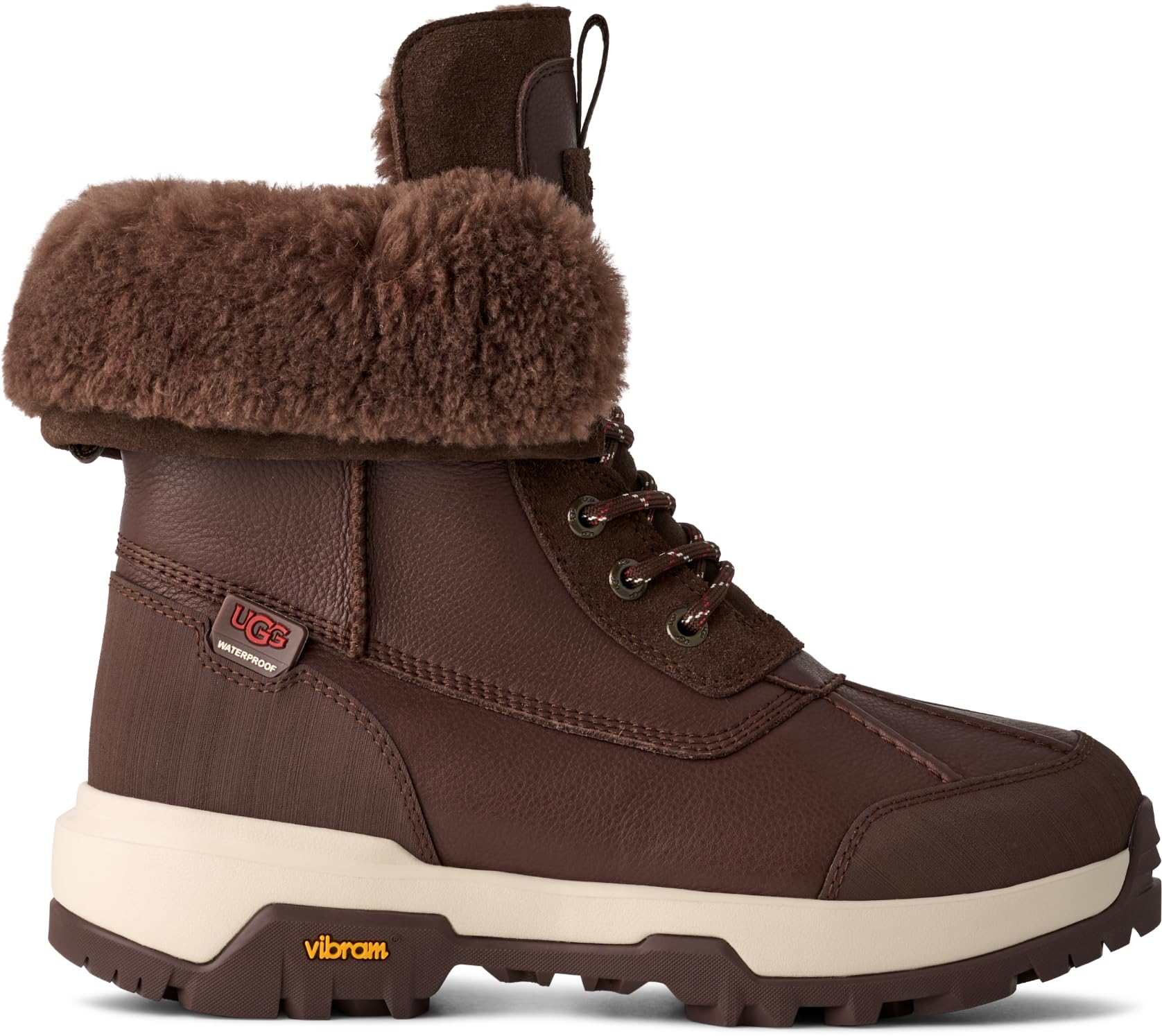
The style-forward winter boot with a -32ºC warmth claim built into the leather.
UGG marked this edition as 25 years of the Adirondack by combining the Adirondack and Butte boots into one. The build is fully waterproof genuine leather and suede, with Xerogel insulation rated to keep you warm in temperatures as low as -32ºC, and a higher tongue height for extra coverage. It’s a city-ready winter boot that still travels to the trailhead.
Looks are the runaway strength here — appearances draw the most positive feedback with no negative notes at all, and the warmth follows close behind. Comfort, fit, and size all land in decent territory, so this is a boot most owners are happy to wear all winter. The higher tongue and leather-and-suede build are what make it feel like a heritage boot rather than a snow shell.
Two things to weigh. Waterproofing is the one mixed trait, so slushy days aren’t where it shines most. And while the fit is comfortable for most, this is a premium boot, and it’s the highest-rated of the nine with the fewest owners behind that score — an early-adopter pick rather than the proven crowd favorite.
Style with substance: Xerogel insulation to -32ºC, a genuine leather and suede build, and looks that draw the most praise of any trait.
The honest catch: the waterproofing feedback is mixed, and that’s the one area to watch in wet slush.
Choose it for: the woman who wants a genuine-leather winter boot that looks like a heritage piece and warms to -32ºC.
Look at the Dryshod instead: if your winters mean a lot of wet, slushy days and you want full-waterproof confidence.
Know the Specs
Comfort Range vs. Cold Rating
A comfort range is a window in Fahrenheit that a maker says the boot performs in. The Dryshod states -50° to 65° F, which covers both the coldest morning and a milder afternoon. A cold rating is a single low number, like the Kamik’s -40° F or the UGG’s -32ºC. Both tell you the maker’s floor; read them as a guide to how cold a day you can plan around, not a measured promise. A wider window like the Dryshod’s usually signals a boot built for more variation in temperature.
Insulation Layers and Bootie Thickness
Warmth comes from trapped air, so layers and bootie thickness decide how much heat you keep. The Dryshod spells out a 5.5 mm bootie, 2.5 mm DENSOPRENE XD foam, 2 mm airmesh, and 2 mm warm fleece lining across seven total layers. The Muck uses an 8mm neoprene bootie — thicker in one layer, which helps in wet and cold conditions. A removable liner like the Kamik’s Thinsulate adds one more thing: you can pull it out and dry it overnight so your boots aren’t damp the next morning.
Waterproof Shell vs. Water-Repellent Treatment
A waterproof boot and a water-repellent boot are different promises. Waterproof means the whole boot blocks water from entering, top to bottom, as Dryshod and Kamik both state. Water-repellent means the outer surface sheds water before it soaks in — the Dryshod’s HYDROKOTE is that layer, and the The North Face boot relies on a non-PFC Durable Water-Repellent treatment. Both are useful, but only a fully waterproof claim protects your foot if you step into a puddle or walk through wet snow for an hour.
Traction and Shaft Height
Traction is the outsole’s job: the Muck pairs a Vibram Arctic Grip A.T. outsole with extended rubber coverage, and the Baffin uses a Polar Rubber sole on a LiteGrip base. Shaft height determines how much leg stays protected from snow — the Dryshod is knee high and the Muck is listed at 17 inches, while a mid-height boot leaves more of your calf exposed to deep drifts. Match shaft height to the deepest snow you actually walk through, and traction to how much ice you cross.
Common Questions
What temperature rating do I actually need in an arctic boot?
Do women’s arctic boots run small?
Is a removable liner worth it in a winter boot?
Are arctic boots truly waterproof enough for slush?
How tall should my boot shaft be for deep snow?
Can I wear snowshoes with these boots?
What is the difference between Arctic-rated and Polar-rated on Baffin’s scale?
Are heavier arctic boots harder to walk in all day?
Should I size up to fit thick winter socks?
Do these boots need any care to last more than one winter?
The Bottom Line
If you’ve read this far, you know the shortlist resolves around warmth rating and fit. For most buyers the women’s arctic boots answer is the Dryshod Arctic Storm Hi, because its -50° to 65° F comfort range and seven-layer insulation stack cover the widest spread of winter conditions, backed by a knee-high waterproof build. If you want a light, low-cost boot for clearing snow and playing outside, grab the Kamik Greenbay4. And for ice and wet snow where grip leads, the Muck Arctic Ice Tall with its Vibram Arctic Grip A.T. outsole is the one to reach for. Check the sizing trend on your chosen pick before you order.
How we choose
We do not accept paid placement. Every pick is matched to a real buyer and a real use-case; we do not hands-on test units.
Sources
Specifications: manufacturer listings and product documentation. Review insights: verified customer reviews, as of November 2026. Pricing: not shown on this page (it changes often); check the current price via the retailer link.
As an Amazon Associate, Gamepad Test earns from qualifying purchases. This does not affect which products we feature.